Call us
(+36 1) 883-0238
Write to us
Click to show email
H-1037 Budapest
51 BOJTÁR UTCA

Hydro Aluminium Recycling plant

Technical data

Location

Székesfehérvár

Floor area

20 000 m²

Number of floors

3

Category

Industrial facilities

A new aluminium recycling plant for Hydro Extrusion Hungary Kft. has been completed in Székesfehérvár, with an annual production capacity of 90,000 tonnes of recycled aluminium, primarily serving the premium automotive segment.

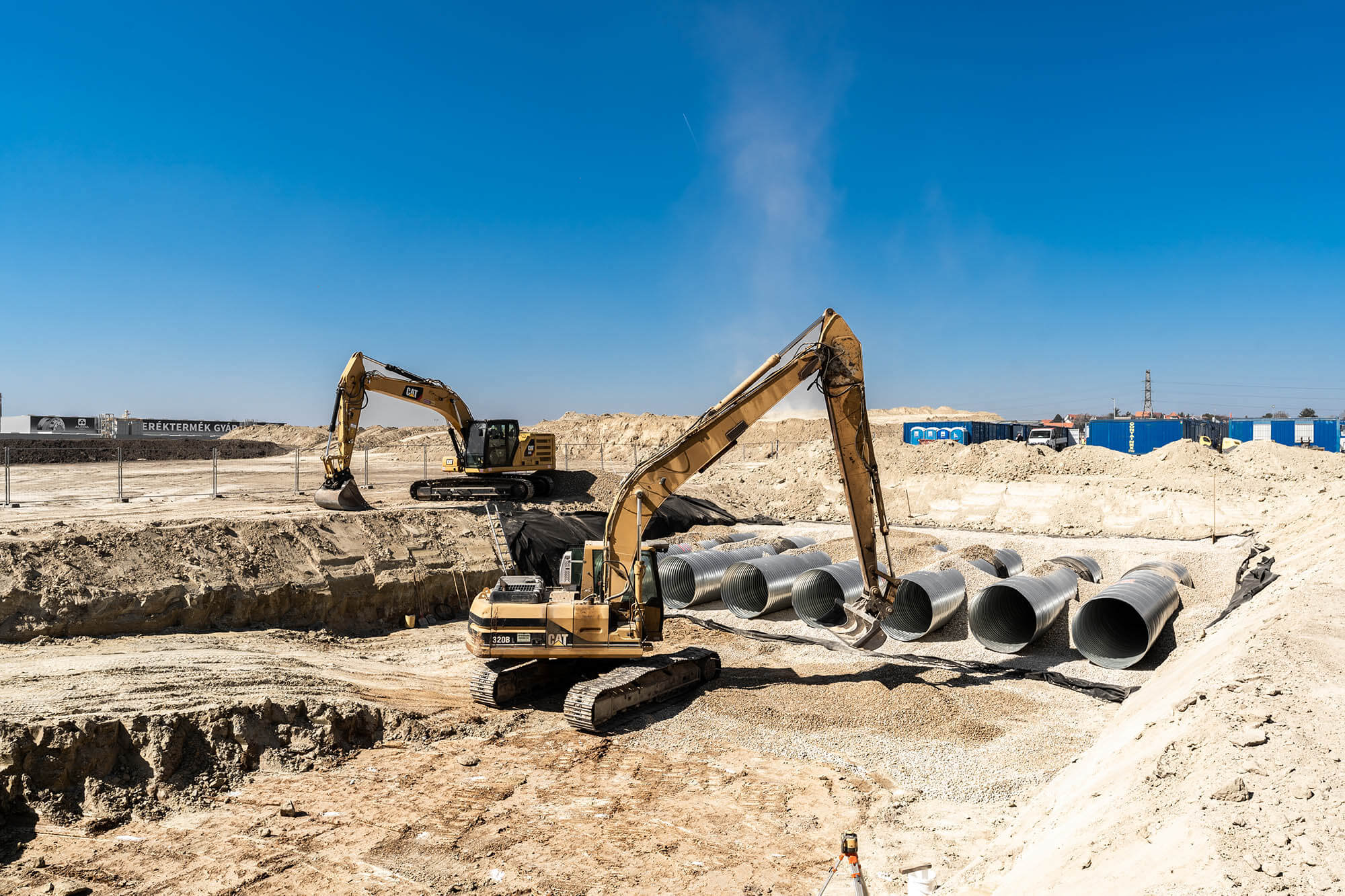
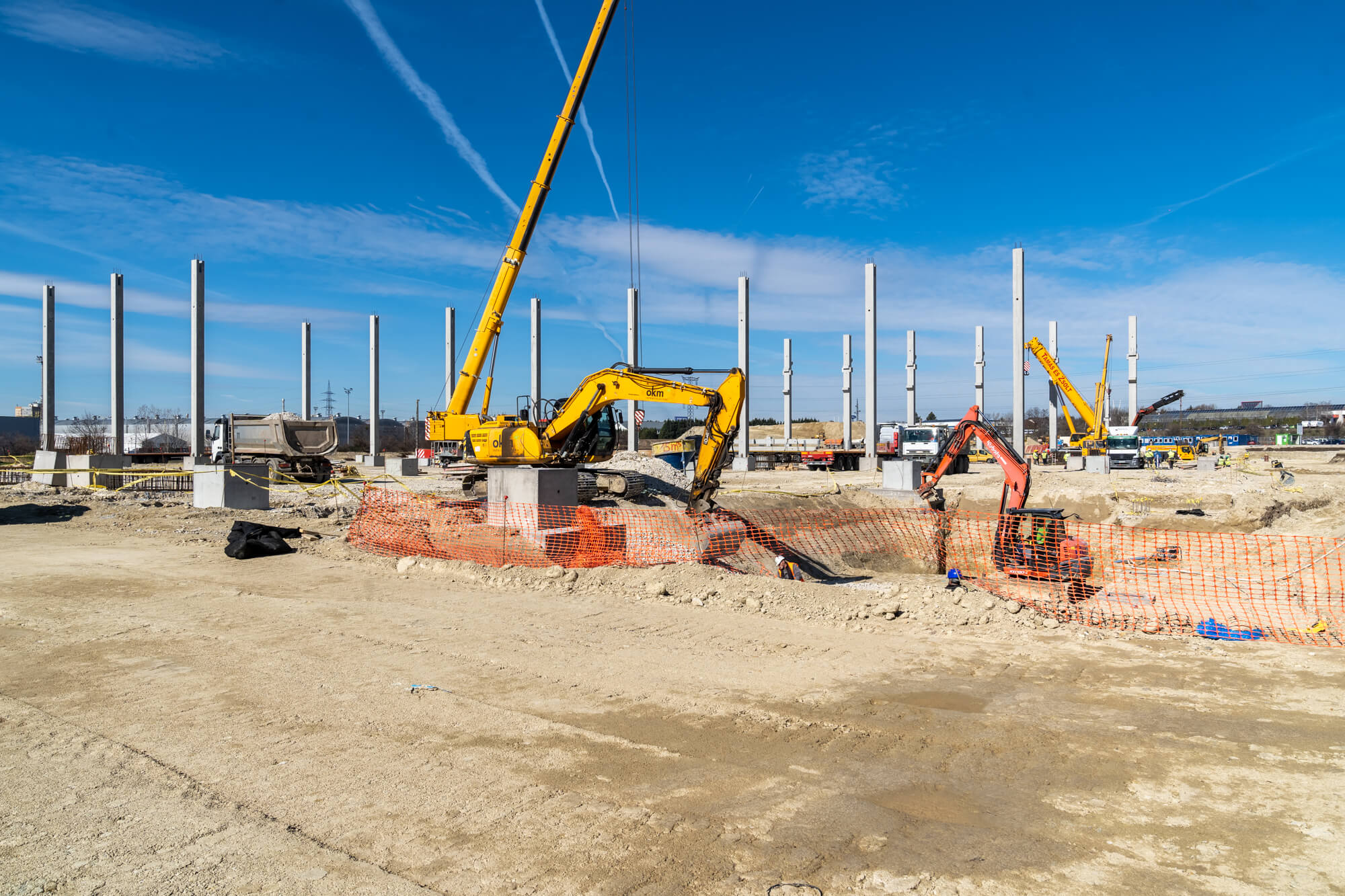
The facility covers a floor area of 20,000 m², which includes a three-storey office building of 400 m² per floor. During the nearly two-year construction period, one of the biggest challenges was the construction of the casting pits. The deepest point of these pits lies 14 metres below ground level, requiring an additional 12 metres of steel casing pipe to be installed. To manage groundwater conditions, a diaphragm wall was constructed. The work had to be carried out under tight deadlines, involving the careful coordination of multiple subcontractors.

We carried out the following comprehensive tasks during the execution phase.

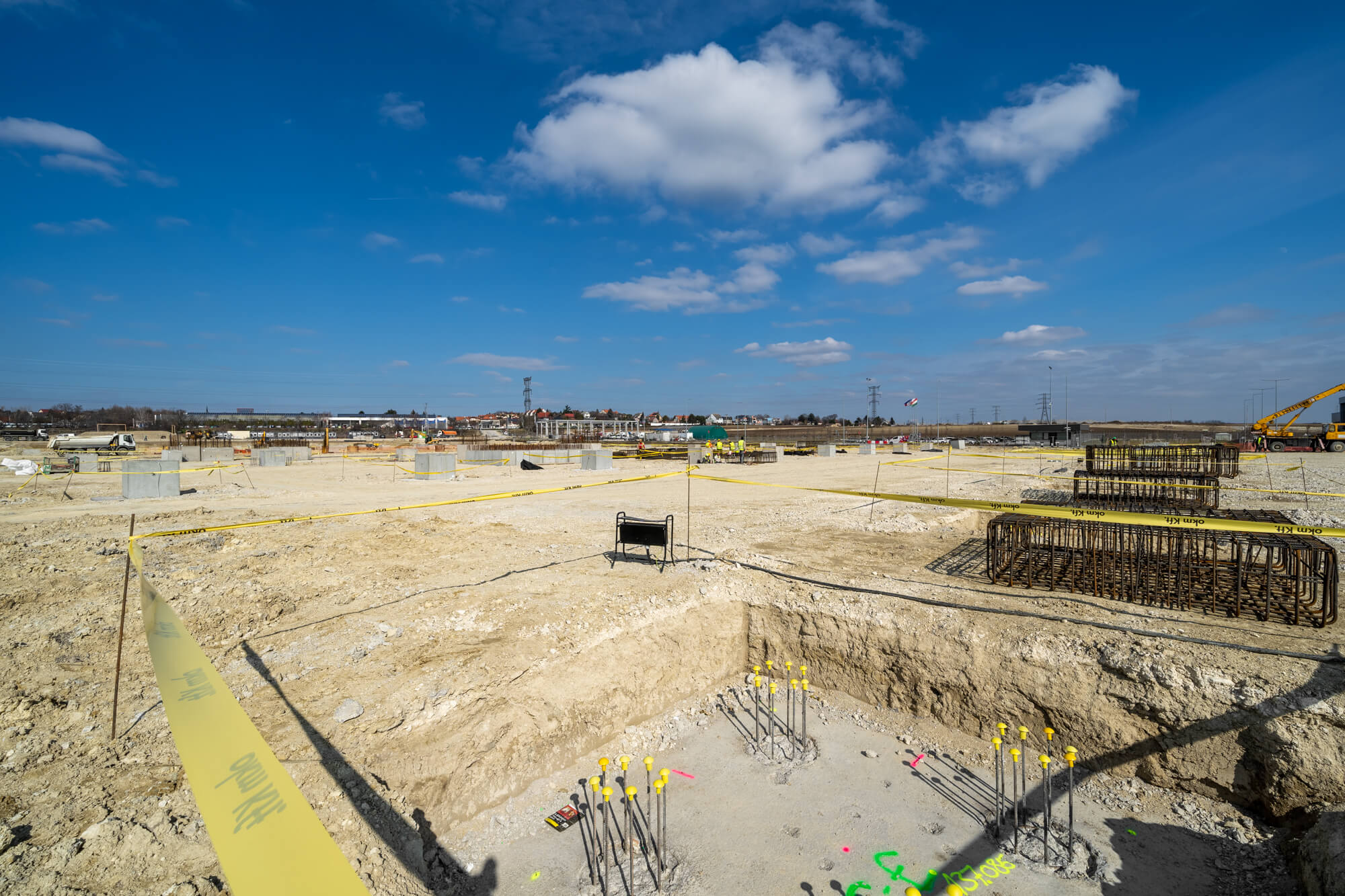
  • earthworks, deep foundation
  • monolithic and prefabricated structural construction
  • electrical installations, flooring (PVC and synthetic resin)
  • painting and coating tasks
  • road construction, asphalt paving and block paving, as well as the installation of utility networks
  • installation of glass and curtain walls, building automation, IT networks, and camera systems
  • In its operations, the plant processes both post-consumer aluminum waste and scrap generated during manufacturing processes; consequently, the production of recycled aluminum requires only 5% of the energy needed for primary production. The investment has created 80 new jobs for the local area.

Hydro’s Székesfehérvár plant is one of Europe’s most modern aluminum processing facilities, featuring six extrusion presses, state-of-the-art surface treatment technologies, and more than 300 machining units.

One of the greatest challenges of the project was the construction of the casting pits; their deepest point lies at a depth of 14 meters, and the process required the additional sinking of 12 meters of steel piping. To manage groundwater, we had to construct a diaphragm wall, while meeting tight deadlines and coordinating the work of multiple subcontractors operating simultaneously posed a significant professional challenge.